
Bead Therapy: Benefits, Techniques, and How It Improves Mental Wellness
- Jun 23
- 2 min read
Updated: Aug 2
Discover the benefits of bead therapy for stress relief, mindfulness, creativity, and emotional well-being. Learn how beading can support mental health and relaxation.

What Is Bead Therapy?
Bead therapy is a creative wellness practice that uses beading and jewelry-making activities to promote relaxation, mindfulness, and emotional healing. Through the process of selecting, arranging, and threading beads, individuals can reduce stress, improve focus, and express themselves creatively.
As interest in holistic wellness and art therapy continues to grow, bead therapy has become a popular tool for supporting mental health and overall well-being.
Top Benefits of Bead Therapy
1. Reduces Stress and Anxiety
One of the most recognized benefits of bead therapy is its ability to reduce stress and anxiety. The repetitive motion of threading beads creates a calming effect that helps individuals focus on the present moment, similar to meditation practices.
2. Promotes Mindfulness
Mindfulness involves paying attention to the present without judgment. Bead therapy encourages mindful concentration on colors, textures, and patterns, helping participants disconnect from daily worries and achieve a sense of calm.
3. Enhances Creativity and Self-Expression
Creative activities are known to improve emotional well-being. Bead therapy allows individuals to design unique jewelry and decorative items that reflect their personality, emotions, and artistic vision.
4. Improves Focus and Cognitive Function
Creating bead patterns requires concentration, planning, and attention to detail. These mental exercises can help strengthen cognitive skills, memory, and problem-solving abilities.
5. Develops Fine Motor Skills
Handling small beads and threading materials improves hand-eye coordination and finger dexterity. This makes bead therapy beneficial for children, seniors, and individuals undergoing rehabilitation.
How Bead Therapy Supports Mental Health
Mental health professionals increasingly recognize the value of creative therapies in promoting emotional wellness. Bead therapy can help individuals:
Manage stress and anxiety
Increase self-confidence
Improve emotional regulation
Encourage positive coping strategies
Build a sense of accomplishment
The process of creating something beautiful can provide comfort, purpose, and a healthy outlet for emotions.
Who Can Benefit from Bead Therapy?
Bead therapy is suitable for people of all ages, including:
Children developing concentration and coordination
Adults seeking stress relief
Seniors maintaining cognitive health
Individuals recovering from injury or trauma
People looking for mindfulness-based activities
Because it requires minimal equipment and can be adapted to different skill levels, bead therapy is both accessible and affordable.
How to Get Started with Bead Therapy
To begin bead therapy, gather a few basic supplies:
Colorful beads
Elastic cord or jewelry wire
Clasps and connectors
Scissors and pliers
Bead storage containers
Start with a simple bracelet or necklace project and focus on enjoying the creative process rather than achieving perfection.
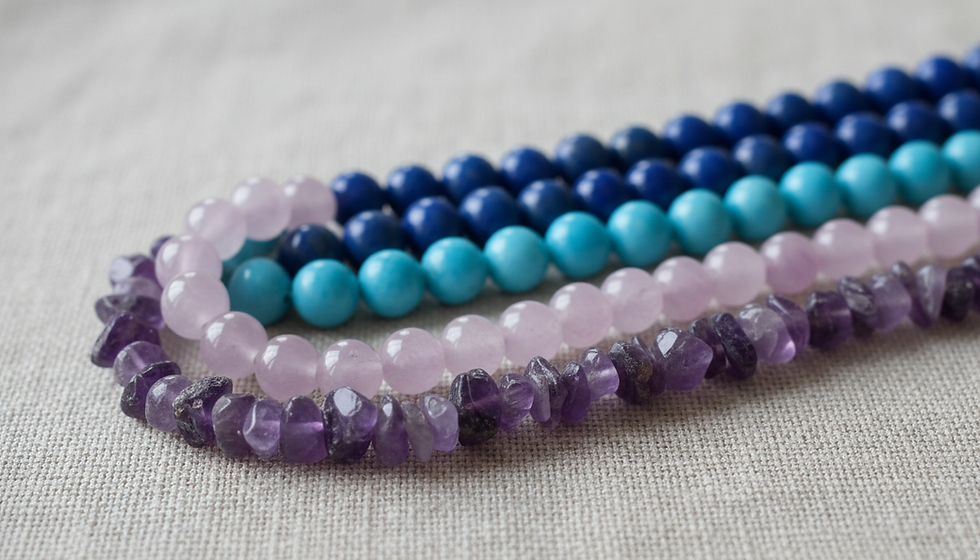
Soothing color schemes please the mind. Wear your creations as a reminder to relax. Bead, breathe, repeat resulting in a beautiful calming jewelry piece.
Why Bead Therapy Is Growing in Popularity
As more people seek natural ways to reduce stress and improve mental wellness, bead therapy continues to gain attention. Its combination of creativity, mindfulness, and relaxation makes it an effective self-care activity for individuals and groups alike.
Conclusion
Bead therapy offers a unique blend of creativity and wellness that can benefit both mental and emotional health. Whether you're looking to reduce anxiety, improve focus, or simply enjoy a relaxing hobby, bead therapy provides an enjoyable and therapeutic experience. By incorporating beading into your self-care routine, you can create beautiful handmade pieces while supporting your overall well-being.


Comments